
Property values up in Little Compton's new statistical reval
New property values will soon be mailed out to owners across town
Many Little Compton residents could experience some sticker shock when they open letters due to be mailed out next week — many property values are going up 35 to 40 percent or more across town.
…
This item is available in full to subscribers.
Please log in to continue |
Register to post eventsIf you'd like to post an event to our calendar, you can create a free account by clicking here. Note that free accounts do not have access to our subscriber-only content. |
Day pass subscribers
Are you a day pass subscriber who needs to log in? Click here to continue.
Property values up in Little Compton's new statistical reval
New property values will soon be mailed out to owners across town
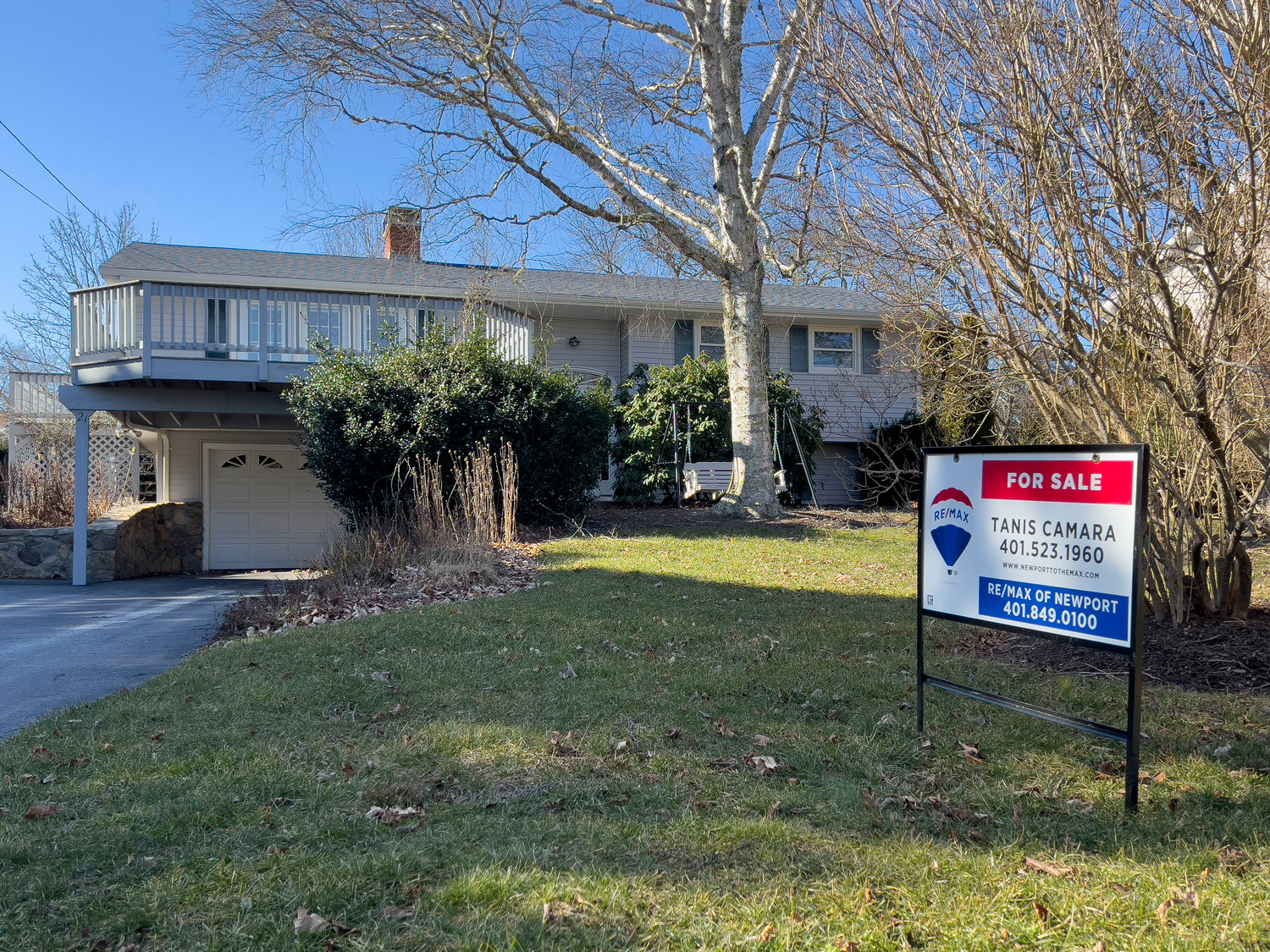
Many Little Compton residents could experience some sticker shock when they open letters due to be mailed out next week — many property values are going up 35 to 40 percent or more across town.
Vision Government Solutions, which was hired last year to complete Little Compton's state-mandated statistical revaluation, is nearly done with its work assigning new values to every taxable property in town. Though she hasn't yet seen a final report, tax assessor Denise Cosgrove said the numbers are "coming in really high," with many 35 to 40 percent increases.
What do the numbers mean?
Statistical revals are required by the state every three years, and are a way for towns to make sure the values they assign to properties for taxation purposes reflect those properties' fair market value.
Unlike full revaluations, which are required by the state every nine years and include in-person site visits from revaluation workers, statistical revals are based on recent Real Estate sales data, market and housing trends, whether properties have had improvements since the previous reval, and other factors. They do not include site visits.
One of the more common misconceptions about revals, statistical or full, is that the new values will come with corresponding tax increases — for example, a homeowner who worries that a 30 percent jump in value on his or her property will result in a 30 percent tax increase.
This is not necessarily the case.
Towns compute the yearly tax rate based on how much tax revenue is needed for the coming year, and use the tax base — the collective value of every taxable property in town — to determine how much each property owner needs to pay to bring in that needed revenue. In Little Compton, the pre-reval base currently stands at about $2.752 billion.
Theoretically, and given no new spending by a town in any calendar year, if every property's valuation increased by 100 percent, the town's tax base would double and the tax rate — the amount charged to residents for every $1,000 of assessed value they own — would halve. The end result would be the same amount of tax revenue generated as the previous year, despite a doubling of each property's assessed value.
In reality, revaluations are not so cut and dried.
Some neighborhoods or areas considered "hot" — like waterfront property or land — could see valuation increases above the average, while others in areas considered not so hot could see lesser increases.
Cosgrove believes notices will start going out next week. After that, residents who don't agree with the new values assigned to their properties, or who have questions about the process, have the option of meeting with reval officials to go over their new values. Information on how to schedule hearings will be included in the mailers.


