
Barrington Town Council responds to FTR vote: Changes in the works
Town manager discusses unionizing other town employees
Less than a week after 1,669 Barrington taxpayers cast ballots in the town’s first-ever financial town referendum, members of the Barrington Town Council discussed steps to changing the FTR and …
This item is available in full to subscribers.
Please log in to continue |
Register to post eventsIf you'd like to post an event to our calendar, you can create a free account by clicking here. Note that free accounts do not have access to our subscriber-only content. |
Day pass subscribers
Are you a day pass subscriber who needs to log in? Click here to continue.
Barrington Town Council responds to FTR vote: Changes in the works
Town manager discusses unionizing other town employees
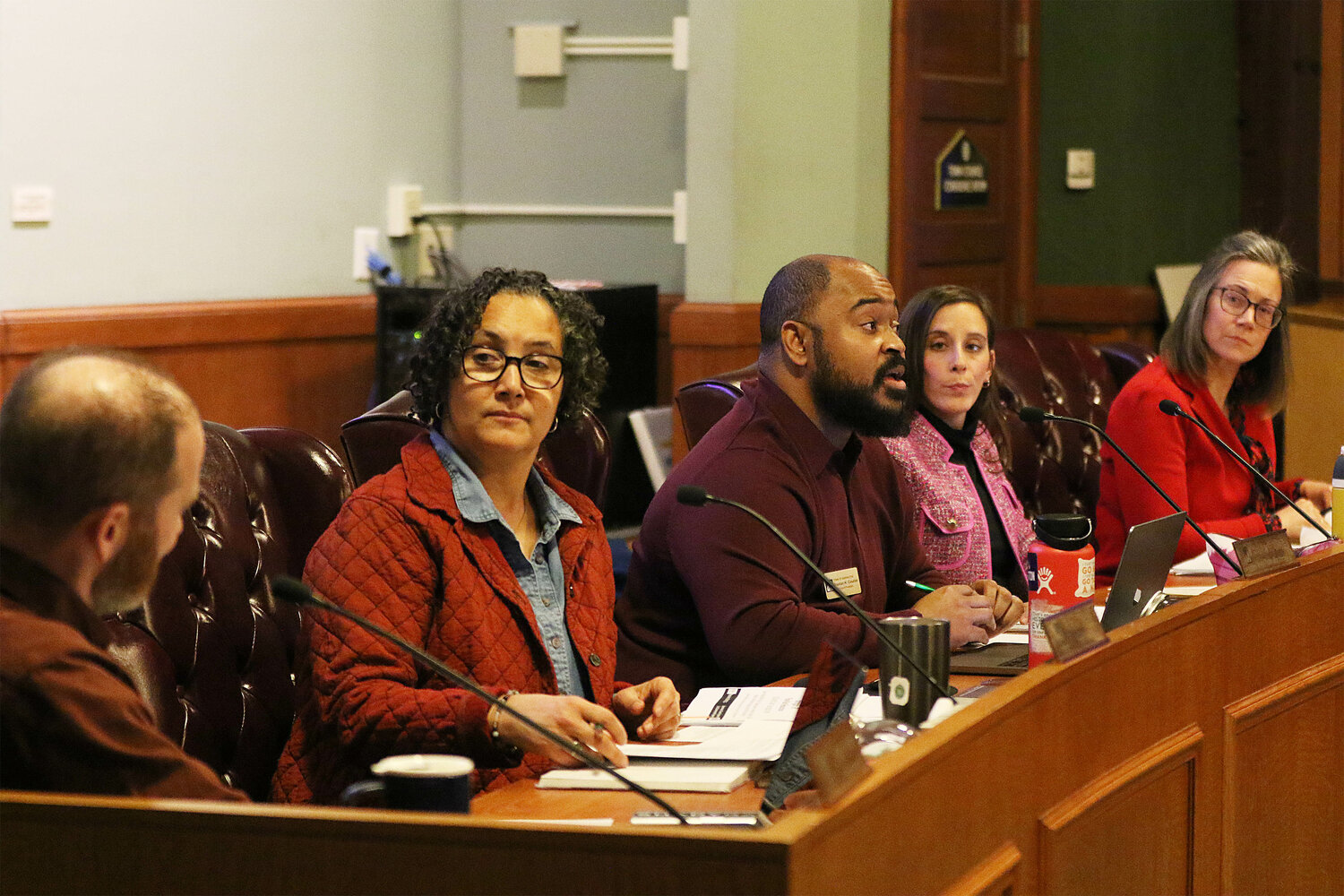
Less than a week after 1,669 Barrington taxpayers cast ballots in the town’s first-ever financial town referendum, members of the Barrington Town Council discussed steps to changing the FTR and budget process.
During their meeting at the town hall on Monday night, councilors spoke about protecting the integrity of the budget, better educating Barrington residents about the budget, and prioritizing the budgets endorsed by the Committee on Appropriations.
Just five days earlier, at the FTR, more than 10 percent of the town’s registered voters approved 25 of 36 budget amendments, reducing the proposed municipal budget increase by about $253,000.
Barrington Town Council President Braxton Cloutier said he wanted to get the proposed changes on the upcoming November ballot, which means officials have until Aug. 5 to finalize the changes.
So what changes are being discussed?
Council member Liana Cassar suggested that the municipal budget could be made into a bottom line budget, similar to that of the school department.
Councilor Jordan Jancosek suggested condensing the budget process so residents would have more time to collect the signatures needed to propose significant budget amendments.
Councilors also discussed lowering the required number of signatures, from nearly 3,000 to 300.
Cassar said a second voting option could be added to the ballot for the proposed budget: Approve or Amend. This year’s FTR ballot only included “Approve.”
Councilors spent time talking about better educating residents about the budget process. Cassar suggested possibly using the town’s emergency text message system to get the word out. She also said the town needs to spend more money to inform people about what’s happening.
Flipping the bird
Barrington residents pushed back on the council’s suggestions. Ann Strong said she was aghast of the conversation councilors were having about the FTR and budget process. Strong, a former councilor herself, said the current council members are assuming that the outcome of the FTR was a colossal mistake, and were acting like they needed to “re-educate people.”
Tom Rimoshytus, a member of the Barrington Charter Review Commission that was involved in the early phases of moving from the financial town meeting to an FTR, told the council it looked like they were flipping the bird to everyone in town. He said their actions would be a move away from democracy, giving less power to taxpayers and placing more control in the hands of a few town officials.
Lisa Daft said there was excellent turnout for the FTR. She cautioned councilors for reacting too quickly. She suggested they let the results of the FTR settle for a minute.
Janine Wolf, who submitted most of the amendments for the FTR, said the council is acting like the FTR did not work because the vote did not turn out the way some people wanted it to. She also reminded councilors that voters approved a budget increase … just a smaller increase than officials wanted.
Councilors will continue the discussion about the FTR and potential changes at a future meeting.
Amended budget
Barrington Town Manager Phil Hervey told councilors that the approved FTR amendments and the $253,000 reduced from the proposed increase has left the budget out of balance. Hervey said he will have to come up with a revised or amended budget, and plans to present that to the town council at its July 27 meeting. (That raised a question from someone in the public who said the current fiscal year ends June 30.)
Councilors asked Hervey for a list of items in the budget that the town must pay. They said that will help them as they decide what areas can be cut.
There was also some discussion about unionizing town employees who are currently not unionized. Cassar said non-unionized employees are more vulnerable to cuts.
A member of the audience asked if the council would take public comments on the item, but Cloutier did not allow it.


