
Portsmouth economic panel warns against gas moratoria
Portsmouth committee says natural gas remains critical despite renewable growth
PORTSMOUTH — The Portsmouth Economic Development Committee (PEDC) is urging the town council to oppose any moratoria or other restrictions on natural gas infrastructure, arguing that reliable …
This item is available in full to subscribers.
Please log in to continue |
Register to post eventsIf you'd like to post an event to our calendar, you can create a free account by clicking here. Note that free accounts do not have access to our subscriber-only content. |
Day pass subscribers
Are you a day pass subscriber who needs to log in? Click here to continue.
Portsmouth economic panel warns against gas moratoria
Portsmouth committee says natural gas remains critical despite renewable growth
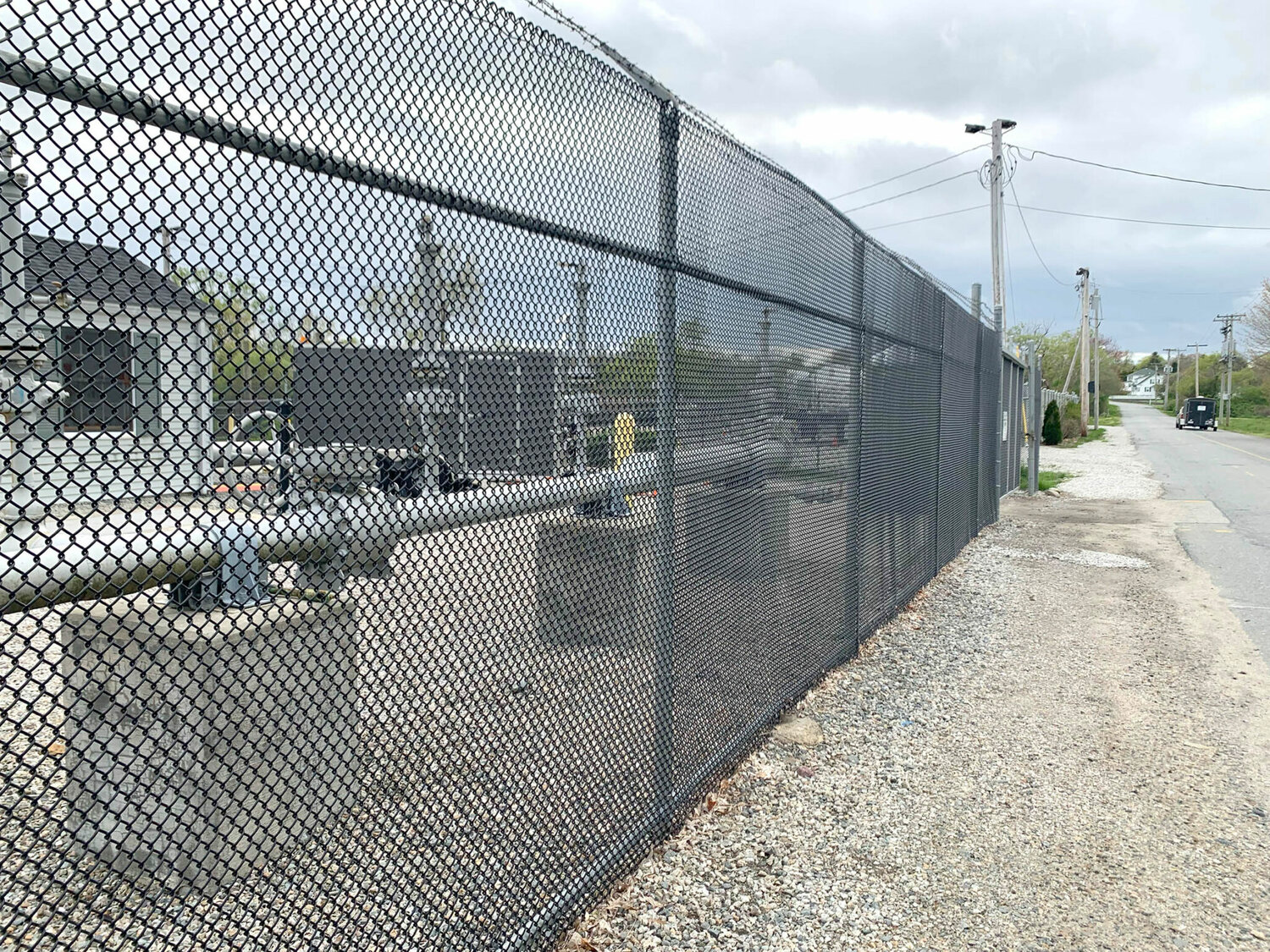

PORTSMOUTH — The Portsmouth Economic Development Committee (PEDC) is urging the town council to oppose any moratoria or other restrictions on natural gas infrastructure, arguing that reliable and cost-effective natural gas remains essential to the town’s economic stability, public safety and long-term competitiveness.
In a memorandum dated Jan. 28, the committee recommended the council support policies that improve the reliability, redundancy and availability of natural gas service on Aquidneck Island, while resisting efforts to limit new hookups or infrastructure expansion.
“Dependable, dispatchable, and cost-effective energy is essential to maintaining Portsmouth’s economic competitiveness, supporting local businesses, protecting public safety, and stabilizing the residential tax base,” the PEDC wrote.
While acknowledging the growing role of renewable energy, the PEDC cautioned against policies that assume an imminent transition away from natural gas.
“While renewable energy sources may play an increasing role over time, current technology does not permit exclusive reliance on renewables without significant cost, land-use, and reliability challenges,” the memo states. “Natural gas must remain a necessary component of the local and regional energy mix for the foreseeable future.”
Citing regional data, the PEDC noted that natural gas supplies the majority of electricity generation in Rhode Island and a large share across New England. Unlike wind and solar power, which depend on weather and time of day, natural gas facilities can provide energy on demand, with combined-cycle plants achieving availability rates exceeding 90 percent, the memo said.
That reliability, the committee said, is critical for winter heating, public safety and municipal facilities, restaurants and businesses with continuous operational needs.
The memo also highlighted safety and resilience concerns unique to Aquidneck Island, which relies on limited natural gas supply infrastructure. According to the PEDC, those constraints create a single point of failure and have led to increased reliance on on-site storage and trucked gas deliveries during peak winter demand.
2019 outage noted
As an example, the committee cited a 2019 regional supply disruption that left roughly 7,000 homes in Newport and Middletown without heat or hot water for several days, calling it a demonstration of the public safety risks posed by insufficient redundancy.
From an economic standpoint, the PEDC warned that restricting access to natural gas could place Portsmouth at a disadvantage compared with other communities by increasing energy costs, discouraging business investment and adding pressure to the residential tax base. While some homeowners may be able to convert to electric heating, the committee said the costs are significantly higher and often impractical for commercial users.
The PEDC did not endorse a specific infrastructure project but outlined several potential approaches that could improve reliability and reduce reliance on trucked LNG deliveries if pursued by regulated utilities. Those include completing a distribution loop, constructing a second pipeline crossing beneath Narragansett Bay, or developing a direct pipeline connection to Portsmouth. The committee said it believes such upgrades could be implemented by Rhode Island Energy without state or federal funding and could ultimately eliminate the need for the Old Mill Lane liquefied natural gas facility.
As an immediate step, the PEDC recommended the council establish a working group to meet with Rhode Island Energy to explore alternatives.
Divisive vote last fall
The memo builds on a divided council vote last September, when the council voted 4-3 to notify the state Energy Facility Siting Board that Portsmouth opposes a moratorium on new natural gas hookups on Aquidneck Island.
During that meeting, opponents of the council’s action warned that rejecting a moratorium would reduce pressure on the utility to pursue alternatives to natural gas and accelerate demand-reduction efforts. Residents living near the Old Mill Lane LNG site raised concerns about noise, truck traffic and the facility’s continued operation, while state Sen. Linda Ujifusa argued that additional hookups would increase long-term costs and conflict with the state’s climate mandates.
Supporters of the council’s decision countered that, absent new supply solutions, the island would remain dependent on the LNG facility regardless of whether hookups were restricted, and said electric heating remains significantly more expensive than gas for many residents.


