
CRMC: Bowens' oyster farm application can proceed
Hearing officer rules that law passed in 2024 that would have made operation illegal does not apply
A seven-year attempt to earn state approval for a nearly one-acre oyster farm off Seapowet Point in Tiverton can proceed despite a 2024 law that Little Compton brothers Patrick and Sean Bowen believe …
This item is available in full to subscribers.
Please log in to continue |
Register to post eventsIf you'd like to post an event to our calendar, you can create a free account by clicking here. Note that free accounts do not have access to our subscriber-only content. |
Day pass subscribers
Are you a day pass subscriber who needs to log in? Click here to continue.
CRMC: Bowens' oyster farm application can proceed
Hearing officer rules that law passed in 2024 that would have made operation illegal does not apply
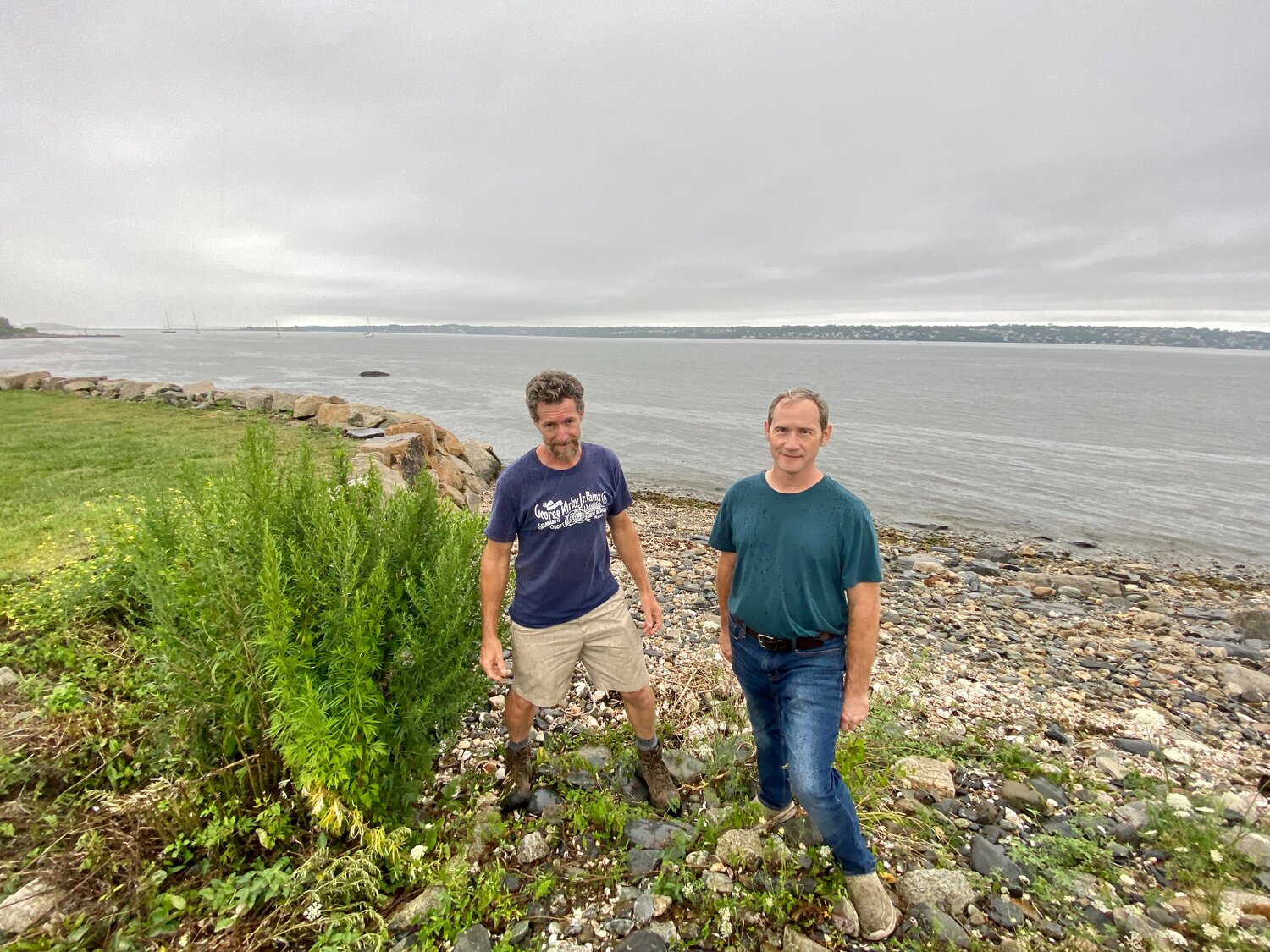
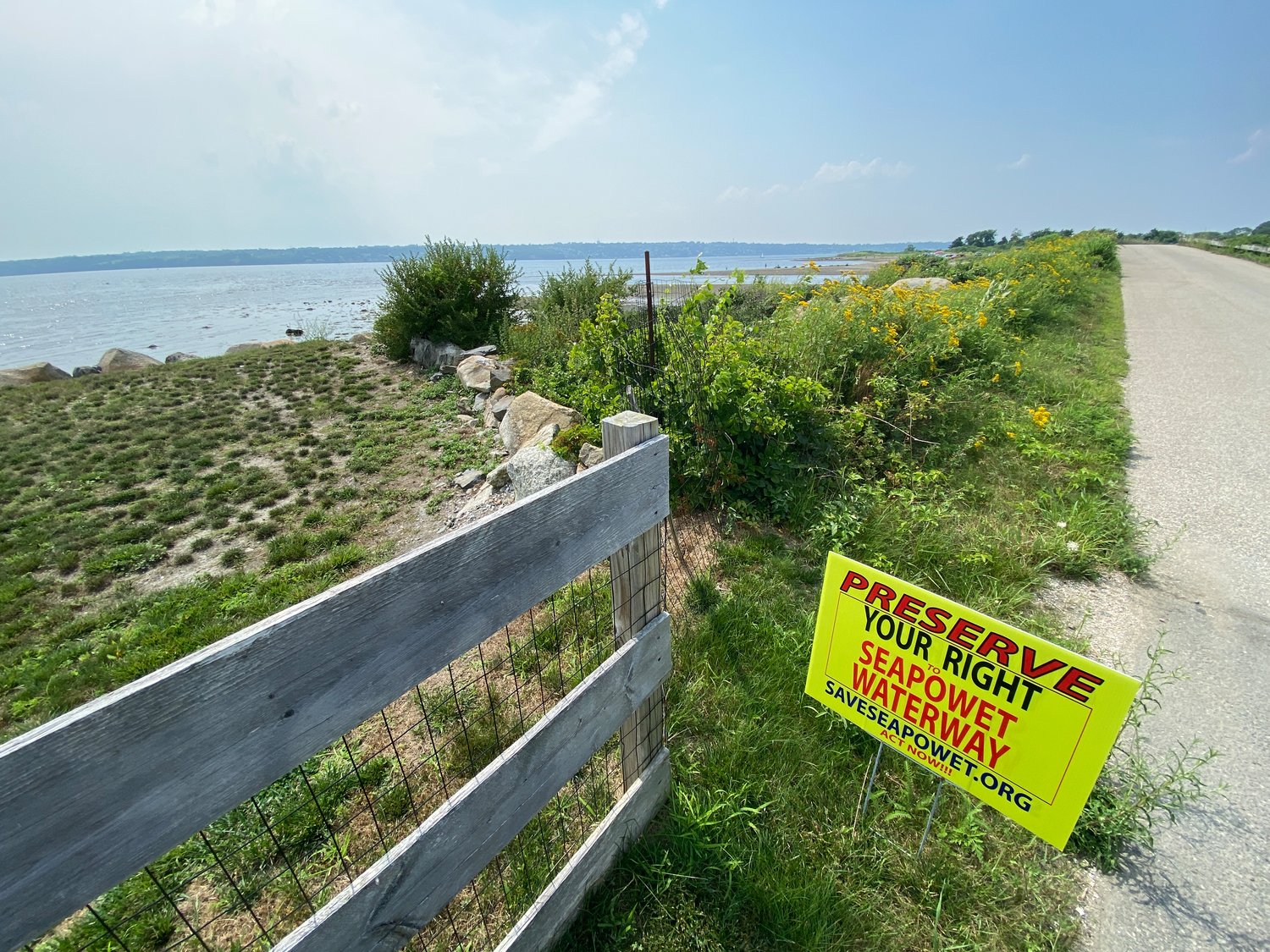


A seven-year attempt to earn state approval for a nearly one-acre oyster farm off Seapowet Point in Tiverton can proceed despite a 2024 law that Little Compton brothers Patrick and Sean Bowen believe was written specifically to kill their proposal, after a state hearing officer ruled Tuesday that that law does not apply to the Bowens’ plan, first filed with the state in December 2019.
At a hearing of the Coastal Resources Management Council Tuesday, council members and CRMC attorney (also Little Compton town solicitor) Anthony DeSisto accepted hearing officer Mark Krieger’s 11-page ruling that state review of the Bowens’ plan can continue as it was submitted to the agency before the law went into effect.
The law
Specifically, Senate Bill 2415, introduced by District 12 Senator Louis DiPalma of Newport and District 10 Senator Walter Felag of Warren, and House Bill 7060, sponsored by District 70 Rep. John G. Edwards, were submitted in early 2024, approved by the legislature and signed into law that June.
The resulting law authorizes the state DEM to “allow and promote passive outdoor recreation in the Sapowet Marsh Management Area” while banning commercial activities within the state-owned property; it also extends the commercial ban out into Sapowet Cove, where the farm would be sited. Following the law’s passage, opponents called for the immediate rejection of the Bowens’ plan.
“This was targeted”
Patrick Bowen said Thursday that he and his brother always hoped and believed that they would prevail in the face of the new law.
“We were confident,” he said. “Based upon the language of the law, we recognized that it was full of holes and generally speaking, the law is not” enforceable retroactively.
The law’s enforcement is also non-existent in other areas, he said, as it prohibits one form of commercial activity within the management area while allowing terrestrial activities — some hunting and the farming of potatoes and corn, among other crops — on land within the management area.
“It’s hypocritical" and amounts to “spot zoning,” Bowen said.
Back and forth
Rep. Edwards, who drafted the legislation at the behest of the Tiverton Town Council, said Thursday that he is disappointed in the ruling, and believes the CRMC hearing officer got it wrong.
“I think he completely missed the point,” Edwards said. “The law has changed — Sapowet is no longer available for commercial development. They (the Bowens) only had an application that has never been processed and therefore they have no vested rights.”
As for the wording of the law and whether the Bowens are in effect grandfathered due to their application, he said they should not be:
“We did everything we could to make sure the legislation was right,” he said. “One thing we had in there was that Sapowet will remain in its current natural state. If you want to know what legislative intent is, that was the intent” — not to target the brothers specifically.
But Bowen said he isn’t so sure.
“This year (Rep. Edwards) came out in committee and said this law is not about the oyster farm,” Bowen said. “But it is curious as to why of all the waters in this state, this small corner of the Sakonnet River needs to be protected. It’s not lost on a lot of people that he has a son, the chairman of the town council, who lives on Seapowet Avenue and whose property abuts the management area. He’s been very vocal in his opposition to the plan from his seat on the town council. While Rome is burning, he’s worried about less than an acre?”
Responding to that comment, the younger Edwards said Thursday that he stands behind the reasoning behind the law, and that the brothers were never singled out.
“If it is just the oyster farm, whatever,” he said. “The problem that I have, and this is what he’s directly obfuscating, is it’s not about the oysters. It’s about the operation and where they wanted to do it.”
One need look no further than the Bowens’ purchase several years ago of a strip of land just off the beach for $100,000, he said.
“You don’t make that investment unless you’re going to use it. It’s going to be a processing operation directly between two residential properties (and) absolutely does not fit with the character of the neighborhood. It’s a direct attack on recreation.”
Not so, Bowen said. The brothers’ intent is to use the property as an access point “so we can park our cars and wade out” to the farm. There were never plans to power wash oysters and do mechanized processing onsite, he said.
“From the beginning, what we wanted to do was have a farm that was as close to carbon neutral as we could. Processing operation? I don’t know what he means by that.”
What’s next?
Prior to the opponents’ challenge under the law, the Bowens had a schedule of hearings to discuss the application that were pushed aside as the CRMC prepared a response. With that response now in, Bowen said he believes that new hearings and meetings can be scheduled.


