
Bristol green-lights Flock camera
State police will install single Flock camera near base of Mt. Hope Bridge
After hours of testimony from public safety officials, comments from the public, and a plan to establish guardrails around the use and dissemination of the license plate numbers that would be …
This item is available in full to subscribers.
Please log in to continue |
Register to post eventsIf you'd like to post an event to our calendar, you can create a free account by clicking here. Note that free accounts do not have access to our subscriber-only content. |
Day pass subscribers
Are you a day pass subscriber who needs to log in? Click here to continue.
Bristol green-lights Flock camera
State police will install single Flock camera near base of Mt. Hope Bridge


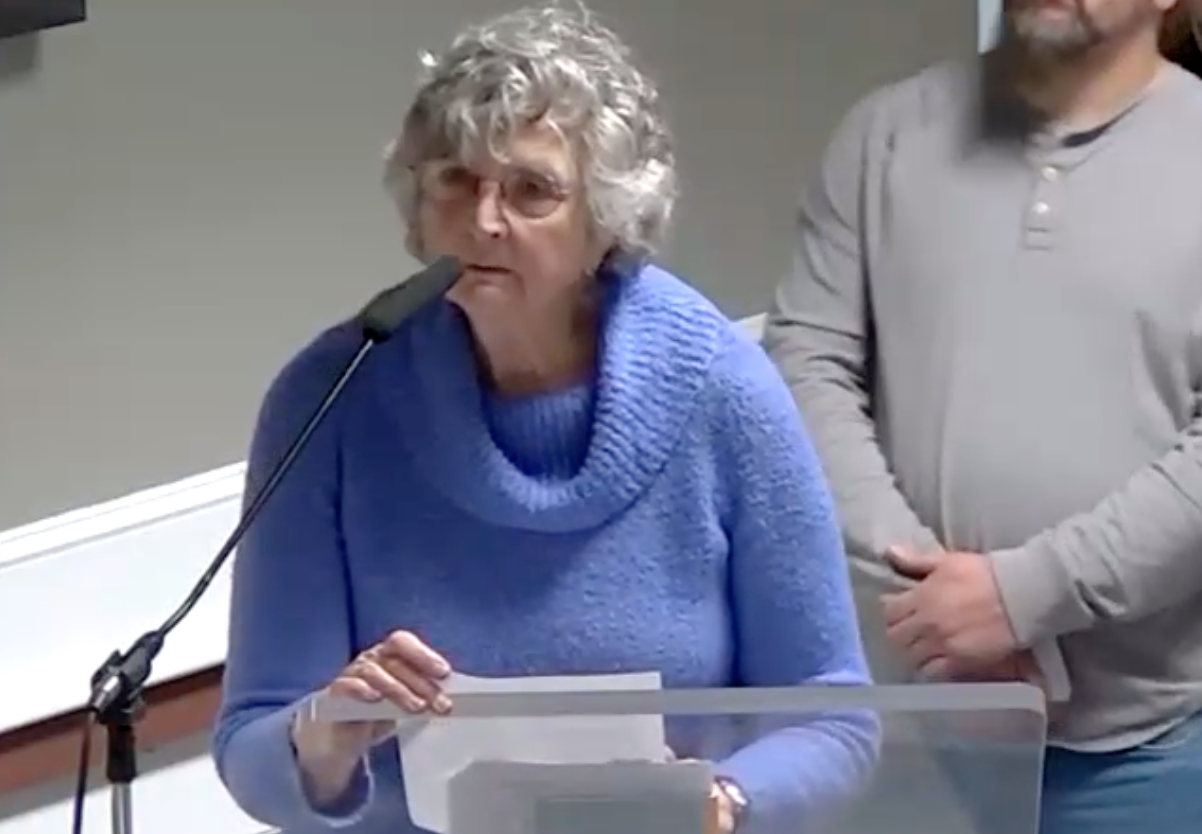


After hours of testimony from public safety officials, comments from the public, and a plan to establish guardrails around the use and dissemination of the license plate numbers that would be captured by the cameras, the council voted 4 to 1 to approve the Rhode Island State Police request to site a Flock camera in Bristol.
The council heard from a lineup of seasoned public safety officers including Chief Kevin Lynch, Colonel Michael Winquist of the Cranston Police Department and Secretary of the Rhode Island Police Chiefs Association, (Cranston has a robust network of Flock cameras operating in that city); Captain Steven St. Pierre, the commander of Bristol’s detective division; Detective Lieutenant Jonathan Primiano from the Providence Police Department who serves as the commanding officer of the city’s Technology and the Computer Crimes Office.
Public safety officers agree, Flock is a valuable law enforcement tool
They all emphasized that Flock is just one tool in law enforcement’s arsenal, but in many cases, it’s a critical one. By capturing license plates and running them through the NCIS database, it flags vehicles that have been identified as part of a crime or emergency situation and enables law enforcement to quickly locate that vehicle.
Officers emphasized that Flock doesn't tell who owns the car, or who's driving the car.
Each public safety officer outlined many instances where Flock cameras would have been helpful as well as times when they were instrumental in apprehending suspects, notably the recent shooting at Brown University. In Providence, just last year, they enabled the apprehension of two suspects who shot and killed a 7 year old, within minutes of the crime.
One timely anecdote, shared by Winquist, told of an incident just that afternoon, of a distressed individual who told their family they were heading for a bridge. A quick search through the Flock network revealed the individual was in Newport, roughly a mile from the Pell Bridge. The person was apprehended and sent to a hospital for psychiatric evaluation.
“I would like to thank the residents and the other concerned citizens who oppose this program, as I truly listen to your concerns and built the best safeguards and guardrails possible in our written policies and procedures to address,” said Lynch. “As your chief, I humbly respect your concerns and commit to administering this program, if approved, with the highest degree of resolve and leadership.
“My support of flock is simple. I have a duty, a professional calling to find a missing or abducted child. To bring a senior suffering from dementia or mental illness whose family can't locate them; to respond to silver and purple alerts with resolve.”
Residents speak out
Residents had the opportunity to make their case — most, though not all, spoke against the cameras.
Some of the key concerns included uncertainty, unpredictability, and unintended consequences that could emerge from technical errors and unethical human choices; that they could be used to track protesters in some communities; and the fact that flock cameras are AI-based and connected to a national, corporate-controlled network.
“People connected to the network anywhere can access data from Bristol,” said one concerned citizen. “I am skeptical that any policy that we put into place will prevent that.”
Other concerns mentioned the possibility of police officers using the cameras to stalk girlfriends; fears that it is only a matter of time before facial recognition, and hacking into the system become an issue, while another asserted that he doesn’t trust that the police will be effective at doing their own audits.
For many speakers, living in a time when it feels like our fundamental principles of democracy are under attack — heightened by ICE activity in Minnesota and Maine, which were mentioned several times — it is more important than ever to protect civil liberties and the right to privacy.
Council weighs in
“We can't just sit here and say, I trust the police department, if you don't actually trust the police department,” said Council Chairman Nathan Calouro. “That doesn't mean we follow blindly. We have to ask questions, we have to make sure.”
Councilor Aaron Ley made a motion to deny, which Tim Sweeney seconded. That motion was shot down by the rest of the council.
Councilor Tony Teixeira moved to allow the camera, with a one year review, and the stipulation that any changes to the technology must come before council. Councilor Mary Parella seconded that motion.
A lengthy conversation about guardrails, internal audits, and other methods of oversight ensued.
“I want to recognize all the residents that I've heard from,” said Sweeney. “I’ve heard your concerns about privacy, civil liberties, and liability. Those concerns are extremely valid. People deserve to know that their public safety tool has clear limits, strong oversight, and real accountability.
“The goal tonight is balance, and if we're going to go forward with this tool, colleagues, we do this with strict safeguards, limited access, auditing, and transparency. And a clear review period, so the public can judge whether it works as it is intended.”
A vote was called on Teixeira’s motion, which was approved by Teixeira, Parella, Calouro, and Sweeney; Ley was the only nay vote.
Keywords
Bristol town council, Rhode Island State Police, Flock cameras


