
Tiverton police get federal grant to hire new officers
New positions will focus on community policing, mental health
The Tiverton Police Department will soon undergo a significant transformation after the town's recent acceptance of a $250,000 federal grant intended to strengthen both community policing efforts and …
This item is available in full to subscribers.
Please log in to continue |
Register to post eventsIf you'd like to post an event to our calendar, you can create a free account by clicking here. Note that free accounts do not have access to our subscriber-only content. |
Day pass subscribers
Are you a day pass subscriber who needs to log in? Click here to continue.
Tiverton police get federal grant to hire new officers
New positions will focus on community policing, mental health
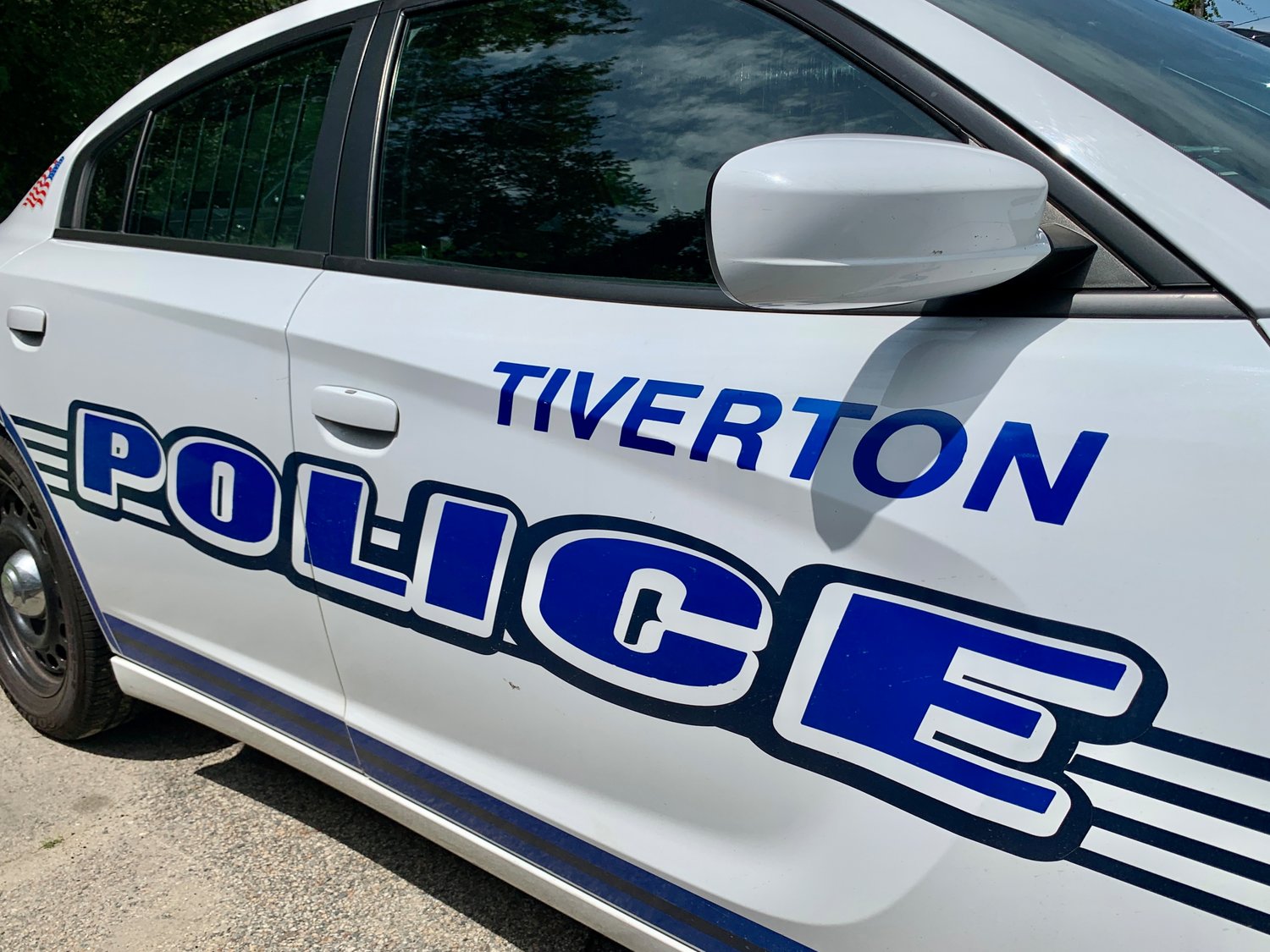
The Tiverton Police Department will soon undergo a significant transformation after the town's recent acceptance of a $250,000 federal grant intended to strengthen both community policing efforts and the department’s response to citizens facing mental health challenges.
Tiverton Town Council members voted unanimously last week to accept the three-year grant, which is issued through the United States Department of Justice COPS program.
Police Chief Patrick Jones said the council’s decision to accept the grant will allow him to move forward with plans to promote two officers within the department who will be responsible for oversight of the new programs. The grant funds will help pay for two new officers who will be hired to fill the vacancies created by the promotions. Jones said two primary purposes of the grant are to build public trust and further police integrity.
“It’s no secret that over the past several years, even before Covid, there was waning trust when it comes to law enforcement across the country,” he said.
The grant will allow the department to further its efforts in the area of community outreach, which has been a primary focus in the past couple of years.
“The community outreach program started small but has now developed a life of its own,” said Jones.
Many in his department are enthusiastic about the concept. Programs such as “Coffee with a Cop” and annual public safety days go a long way in building trust between community members and the police.
“The officers get a lot of enjoyment and satisfaction out of seeing the community respond to them in a positive way,” he said. “It is so important for our officers to reach back out to the community, so residents understand they don’t have to just call us when things are bad — they can call us any time.”
The department’s enhanced focus on mental health issues dovetails perfectly with community outreach efforts, Jones said. The need is profound. Last year, more than 500 police calls were directly tied to mental health problems, representing a dramatic increase over prior years.
“Our officers are interacting with people who are suffering from problems that might be related to depression, loneliness, or substance abuse,” Jones said. The new mental health division within the department will allow more training for officers who will then be able to respond more effectively with troubled individuals.
What will it cost?
In explaining the financial impact to the town, Jones said grant funding will pay for 75 percent of each new officer’s salary and benefits during the 36-month period, up to a maximum of $125,000 per officer; and the town will pay the balance. In the fourth year, the grant’s guidelines require the town to fully absorb the cost of the two new officers.
The council members’ vote to accept the grant was preceded by some serious number crunching. A few councilors seemed reticent at first to vote to accept the grant as they considered its overall impact on the municipal budget. At one point, members weighed the pros and cons of accepting only half of the grant, which would mean hiring only one new officer, thus reducing the town’s overall financial burden.
“I am concerned about more government growth and people complaining about their taxes,” said councilor Donna Cook. “We had a four percent increase [in taxes ] last year. We always have to look at what the public can afford ... I am very torn about this. It’s a good program but I don’t know if we can bear the cost right now.”
Councilor Deb Janick presented a counter argument, speaking passionately in support of the chief’s plans to focus on community outreach and citizens’ mental health challenges that, she said, have been exacerbated by the pandemic.
“People’s mental health issues are sky rocketing,” she said. “Open the newspaper and read what’s going on all over the country; all over the world.”
Janick said the community members she has heard from support the town’s acceptance of the grant.
“I have received so many phone calls, e-mails and texts,” she said. “I’ve not received one that has said ‘This is too expensive; we can’t do it.’ This is something that I think we need to pull together on to figure out how to get it done.”
Town Administrator Chris Cotta said he will research the possibility of using other revenue sources, such as American Recovery dollars, to help offset the town’s financial obligation for the program.
In the end, the final vote was unanimous, with all seven council members voting in favor of a motion to accept the entire $250,000 grant.


