
State’s income discrimination bill has ties to Barrington
Jacob Brier: ‘I do think it has the support to become law’
Barrington Town Council member Jacob Brier knows that local government is important, and he has a recent example to prove it.
Mr. Brier said an ordinance recently passed in Barrington that …
This item is available in full to subscribers.
Please log in to continue |
Register to post eventsIf you'd like to post an event to our calendar, you can create a free account by clicking here. Note that free accounts do not have access to our subscriber-only content. |
Day pass subscribers
Are you a day pass subscriber who needs to log in? Click here to continue.
State’s income discrimination bill has ties to Barrington
Jacob Brier: ‘I do think it has the support to become law’
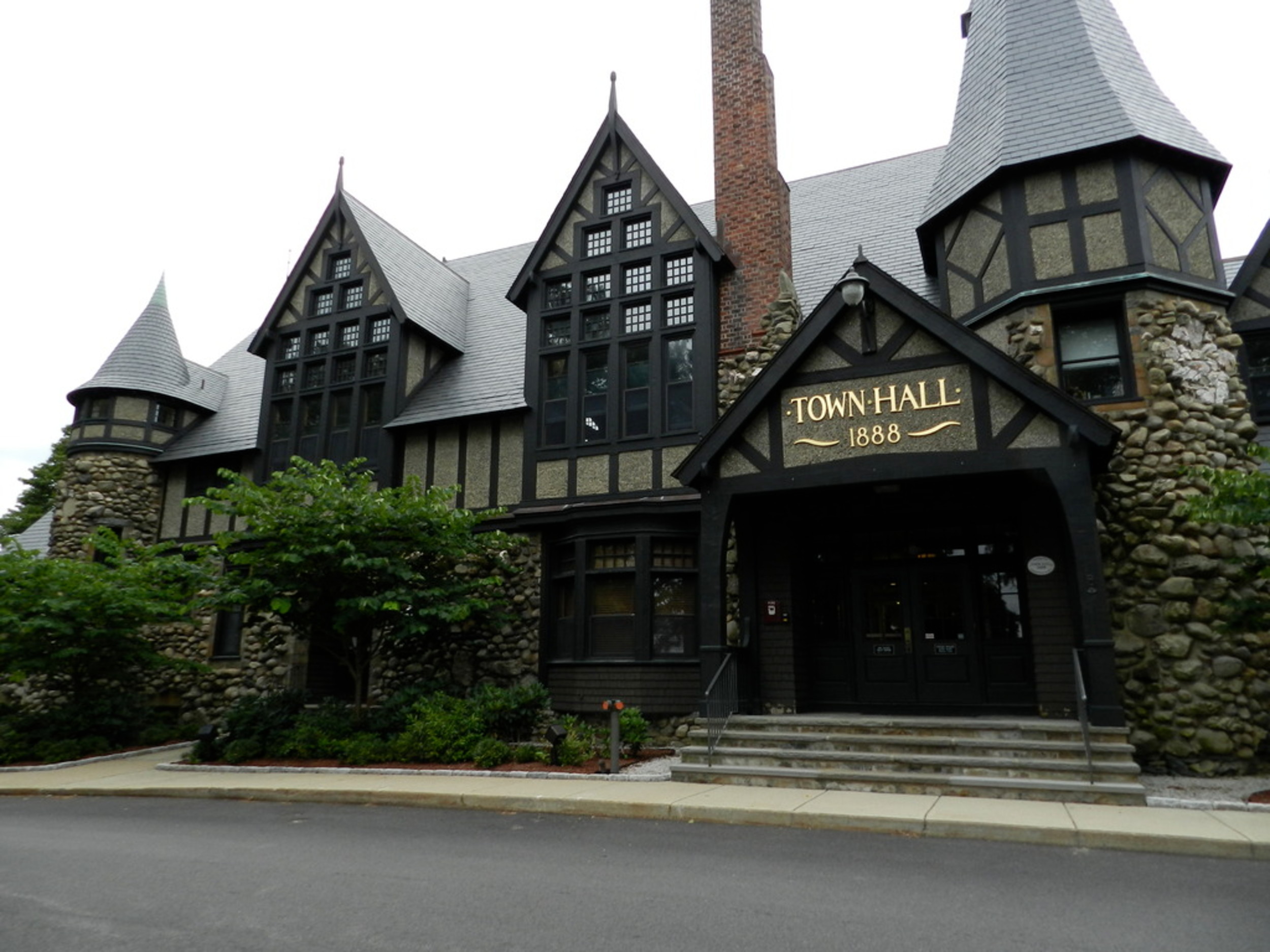
Barrington Town Council member Jacob Brier knows that local government is important, and he has a recent example to prove it.
Mr. Brier said an ordinance recently passed in Barrington that protects renters from discrimination based on lawful sources of income very likely played a role in the proposed state legislation calling for the same protections.
Mr. Brier said Providence officials had considered passing an ordinance focused on the issue over the summer. Mr. Brier said he used that ordinance to inspire Barrington’s own ordinance which passed recently. Then Providence used Barrington’s passage of the ordinance to pass their own about a month ago, he said.
The Barrington Town Council also passed a resolution supporting it at the state level, and earlier this month, the legislation passed in the RI House.
Barrington Times: What inspired you to pursue the ordinance protecting renters here in Barrington?
Jacob Brier: As one of the liaisons to the Barrington Housing Board of Trustees, I wanted to expand my knowledge about housing concerns statewide, specifically related to affordability and quality of housing. I reached out to HousingWorks RI and scheduled a meeting with the policy director there, Annette Bourne. While many of the issues I'd learn about wouldn't be as prevalent in our town, so much of what we do in one municipality is interlinked with others. During our conversation about ways Barrington might be able to improve access to housing that is affordable for people with limited income, she mentioned an income discrimination protection ordinance that had been introduced, but hadn't advanced in Providence. It has also been introduced a few times in the General Assembly — it's passed in the Senate for a few years, but hadn't ever passed in the House. I spoke about it with our solicitor's office and we put together the ordinance.
BT: Have you heard of experiences here in town where people had been denied rentals because of their sources of income?
JB: Barrington has limited rental units, and they are in high demand. With it being permissible to discriminate against a person who uses a legal form of income other than wages, there isn't a method through which somebody could report it, and it would likely have happened to people not already living in our community, so the "grapevine" is less likely to be a source for me to learn about it. Because of the demand, and the pricing, I'd be surprised if it hasn't happened, but I've only heard other stories of struggles between tenants and landlords. These conflicts have been with individual rental property landlords, and some of the condo properties. While this ordinance is specific to income discrimination, it was a reminder to both renters and landlords that the Town has interest in ensuring fair practices for those who rent.
BT: What does it mean to you to know that Providence used Barrington's ordinance to help pass their ordinance?
JB: The interconnectedness of Rhode Island is one of the things I truly love about our state. Our ordinance was drafted using an early version of the ordinance that was discussed by a committee of the Providence City Council. After we passed our ordinance, that news was used by the Providence Councilor who introduced the ordinance to help usher its passage in Providence, last month. Between our passage and Providence's, the Cranston City Council also passed a similar ordinance. I'd collaborated with a member of their Council on this and a few other things in the past. Unfortunately, one of Mayor Fung's final acts in office was to veto Cranston's ordinance.
And, as an ‘only in Rhode Island’ aside; I met the Providence Councilor (pre covid) when we were both at Metropolitan Salon, on Barton Ave. Little did I know, less than a year later, we'd indirectly advance anti-discrimination law together.
BT: Do you feel that this has enough support to become state law? And if so, how would you feel knowing that your work here helped that cause?
JB: I do think it has the support to become law. It has passed in the RI Senate a few times, and just last night it passed in the House for the first time. I don't expect it will fall to the same fate as it did in Cranston, as I have confidence that when passed by the RI Senate, our new Governor will affirm the dignity of Rhode Islanders and protect us from this discrimination. It's definitely a source of pride in the work we're doing in Barrington. There are advocates and elected officials who have been pushing hard for this for years. When this important protection becomes state law, it will be due to their efforts.
The statements and symbols get a lot of attention, which can create a lot of tension, but the work that went into this ordinance, and all the work that's happening behind the scenes is my primary focus. It takes up far more of my time than what people see on social media and in the newspaper. Seeing that our work contributes to larger efforts is a great reminder of why it's important to keep working through those tense times and stay true to advancing what I know is right. All politics is local.
One other important item: Once our local ordinance was scheduled for public hearing, I worked with town officials to collect the contact information of around a dozen landlords in Barrington, from 2 units to more than 20 units. I sent them all information about the ordinance and when it would be discussed, so they would have the opportunity to weigh in.
Only one did. He didn’t object, but said that it is an issue best handled at the state level. I said “hopefully this encourages them!”
Lawful sources of income
A list of some of what's included in the "lawful sources income”:
• All federal, state or local general public assistance, such as
• SSI / SSDI
• Medical assistance
• Veterans assistance
• Federal Housing Choice Vouchers
• Child support
• Alimony


