
AG: Barrington DEI Committee violated Open Meetings Act
Decision follows complaint filed by Barrington resident
The Barrington DEI Committee violated the state’s Open Meetings Act — that was the July 9 decision rendered by the Rhode Island Attorney General’s office after a Barrington resident filed a …
This item is available in full to subscribers.
Please log in to continue |
Register to post eventsIf you'd like to post an event to our calendar, you can create a free account by clicking here. Note that free accounts do not have access to our subscriber-only content. |
Day pass subscribers
Are you a day pass subscriber who needs to log in? Click here to continue.
AG: Barrington DEI Committee violated Open Meetings Act
Decision follows complaint filed by Barrington resident
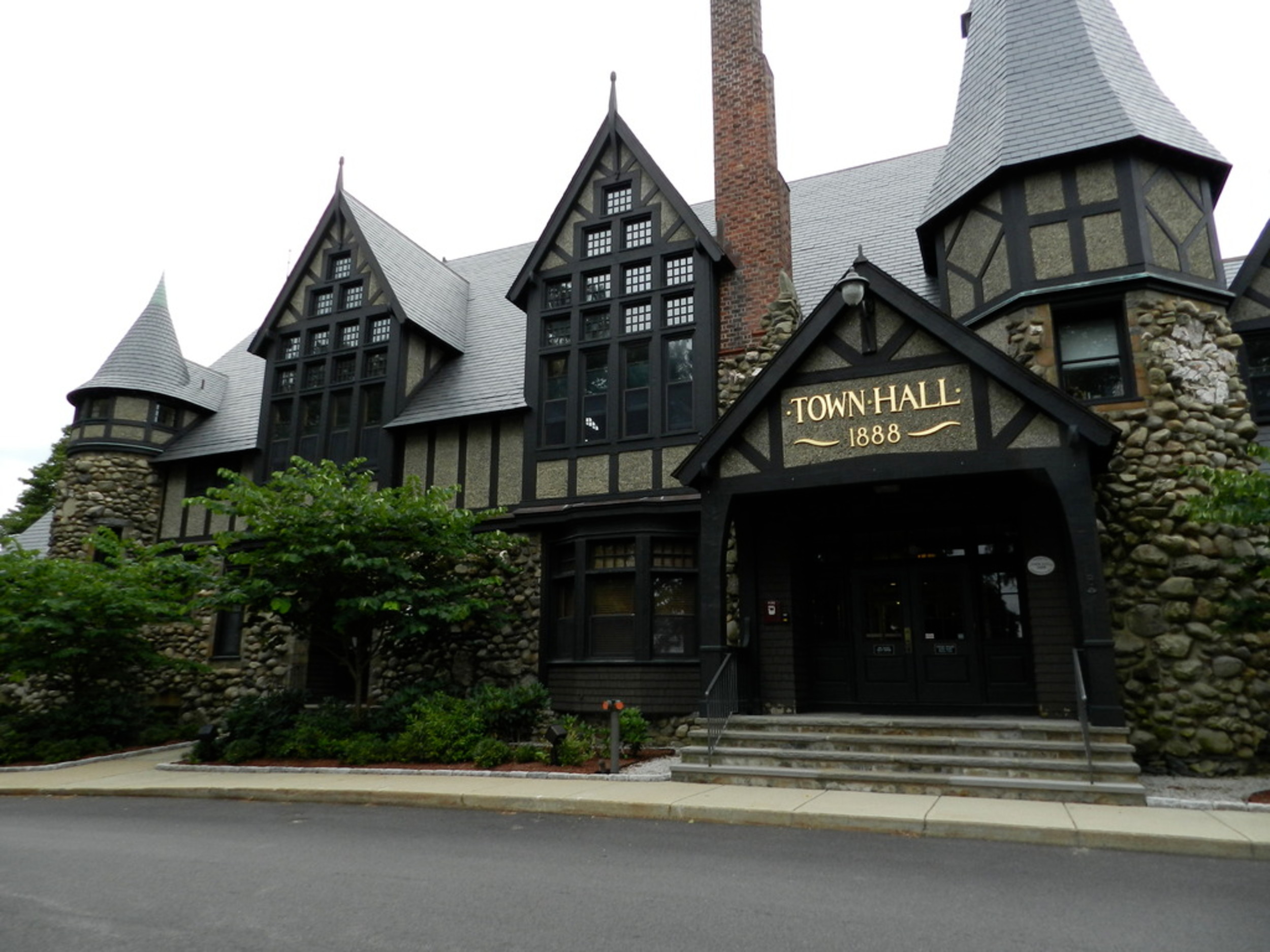

The Barrington DEI Committee violated the state’s Open Meetings Act — that was the July 9 decision rendered by the Rhode Island Attorney General’s office after a Barrington resident filed a complaint against the committee.
Heather Ryan said she attended the May 12 Barrington Diversity, Equity and Inclusion Committee meeting and was told by the committee chair to stop filming the meeting. Ryan also alleged that the DEI Committee members spent time in that meeting discussing the issue of whether she could record the meeting, despite that topic not being listed on the May 12 agenda.
After reviewing the case, the Attorney General’s office ruled that the DEI Committee violated the OMA with its unplanned discussion, but it did not violate the OMA when members asked Ryan to stop filming the meeting.
“Although we find no OMA violation in this instance,” stated the AG’s decision, “we warn the Committee that it is now on direct notice (both from this finding and the solicitor’s memorandum) that members of the public have a right to record meetings and we will be mindful of such notice if we receive a similar OMA complaint in the future.”
According to the Attorney General’s decision, Ryan began filming the May 12 DEI meeting on her phone. Moments later, Barrington DEI Committee Chair Jonathan Leviss spoke privately with her and asked her to stop filming the meeting, stated the decision.
“However, the complainant continued to film the meeting,” the decision stated. “Then during an agenda item titled ‘Liaison Update,’ Barrington Town Council member Liana Cassar, who serves as the council’s liaison to the Committee, raised the issue of the complainant being permitted to film the meeting. The Committee asserts that it discussed this topic, but ‘[n]o action was taken concerning the matter of filming’ and the complainant ‘continued to film the meeting.’”
Ryan shared a message with the Barrington Times explaining what happened at the May 12 Barrington DEI Committee meeting. Ryan alleged that Barrington Town Council President Braxton Cloutier instructed the DEI chair to order her to stop filming the meeting.
“What I find most troubling is the fact that in the video you can clearly see that it is Liana Cassar directing Leviss, who is chair of the DEI committee, to tell me to stop recording. When Jonathan Leviss approaches me for the second time he asks me to stop recording under the direction of Braxton Cloutier,” Ryan wrote. “Mind you the president of the town council is a lawyer so either he doesn't understand Rhode Island state law or he thinks he's above it…”
Cloutier offered a description of what happened.
“I suggested that the chair make a polite request to Ms. Ryan regarding filming,” Cloutier wrote in a statement to the Barrington Times. “I understand and respect the Attorney General's ruling. I am sure that the DEI committee and the Town will follow the guidance provided going forward.”
Cassar shared a statement with the Barrington Times. She wrote that a member of the public (Ryan) was filming who has previously posted meeting recordings on social media with commentary and edits.
“The DEI meetings are meetings of volunteer committee members, including BHS students, working to make our town an increasingly welcoming and inclusive community. Out of respect for the individuals in attendance, especially the BHS students whose parents may not be comfortable with them being recorded and the content posted to social media, I felt compelled to make sure all in attendance could recognize that they could make a choice about their participation in the meeting whether or not they were comfortable with filming,” Cassar wrote. “Being filmed can change the tenor and nature of a discussion during a public meeting intended to vet ideas and concerns, especially because, increasingly, recordings can be manipulated and taken out of context, sometimes to the harm of the individuals being filmed.”
Cassar also wrote that recruiting volunteers for boards, committees and commissions is growing increasingly more difficult “because many potential volunteers, along with other reasons for declining to get engaged, do not feel comfortable being recorded, or having their images or video of themselves being posted on social media without their consent.
“They have seen many public figures, at the federal, state and local level, get harassed, trolled, or receive unwanted negative attention online,” she wrote. “While nobody deserves to have their images posted online without their consent, I do not believe that our volunteers have agreed to the same level of scrutiny as those of us who have chosen to run for elected office. Additionally, I believe we should make every effort to protect the privacy of our students who step up to do work on behalf of our community, whether or not they are comfortable being recorded. I believe they and their families reserve the right to determine if they consent to being recorded during a meeting such as the DEI meeting.”
Leviss wrote that this was the first time a Barrington DEI Committee meeting had been filmed. He added: “The town Republican Party posted an edited portion of her video of the meeting to their Facebook page.”
AG office concerned
In its decision, the Attorney General’s office wrote that they were concerned by Leviss’ admission that he asked Ryan to stop filming the meeting.
“It is not a stretch to imagine that many members of the public, had they been in the complainant’s shoes, would have interpreted Chair Leviss’ request as an instruction from the Committee itself or would have stopped filming simply to avoid confrontation with the Committee,” the decision stated. “The Committee should refrain from any further attempts to prevent members of the public from recording public meetings, so long as such recording does not interfere with the orderly conduct of a meeting.”
The Attorney General’s office did not find an OMA violation in that portion of the meeting because Ryan continued to film the meeting.
“… ultimately the Committee took no action or vote to prohibit the Complainant from filming the meeting and indeed it is undisputed that she continued to film the meeting after her conversation with Chair Leviss,” stated the decision.
Violation
According to the Attorney General’s decision, the DEI Committee failed to follow OMA laws when it discussed Ryan’s filming of the meeting.
The committee, in a response through Barrington Assistant Solicitor Amy Goins, argued that the discussion was more in the nature of a point of order than a substantive discussion.
The Attorney General’s office ruled otherwise: “Through the Committee’s posted meeting minutes, we can ascertain that multiple members expressed various viewpoints on the issue of recording meetings generally, not just in relation to the Complainant. Accordingly, it appears that the Committee engaged in a substantive discussion of this non-noticed issue rather than a single member of the Committee merely asking a procedural question or raising a point of order.”
The Committee had stated that the topic of recording meetings was added to the May 12 agenda by informal consensus, but the Attorney General’s office did not accept that.
“Nothing within the OMA permits a public body to circumvent this section of the statute by adding additional items to an agenda merely by ‘informal consensus,’” the decision stated.
The Attorney General’s decision stated, in conclusion, that there was not enough evidence that the Committee’s actions were willful or knowing.
“Going forward, however, the Committee should be mindful that the actions discussed herein violate the OMA and may serve as evidence of a willful or knowing violation in any similar, future situation,” stated the decision.
Ryan said she was not surprised by the ruling.
“I was not expecting any different outcome — look around, leadership is never held accountable,” she wrote.
“I knew what the outcome was going to be when I filed the complaint but it's time people start standing up to bullies in this town.”


