
Former library director celebrates book launch
Deborah Barchi publishes 'How to Apologize to a Cat,' a whimsical guide for feline lovers
Former Barrington Public Library director Deborah R. Barchi returned to a familiar place Sunday afternoon, this time not as the library’s director but as a published author celebrating the launch …
This item is available in full to subscribers.
Please log in to continue |
Register to post eventsIf you'd like to post an event to our calendar, you can create a free account by clicking here. Note that free accounts do not have access to our subscriber-only content. |
Day pass subscribers
Are you a day pass subscriber who needs to log in? Click here to continue.
Former library director celebrates book launch
Deborah Barchi publishes 'How to Apologize to a Cat,' a whimsical guide for feline lovers
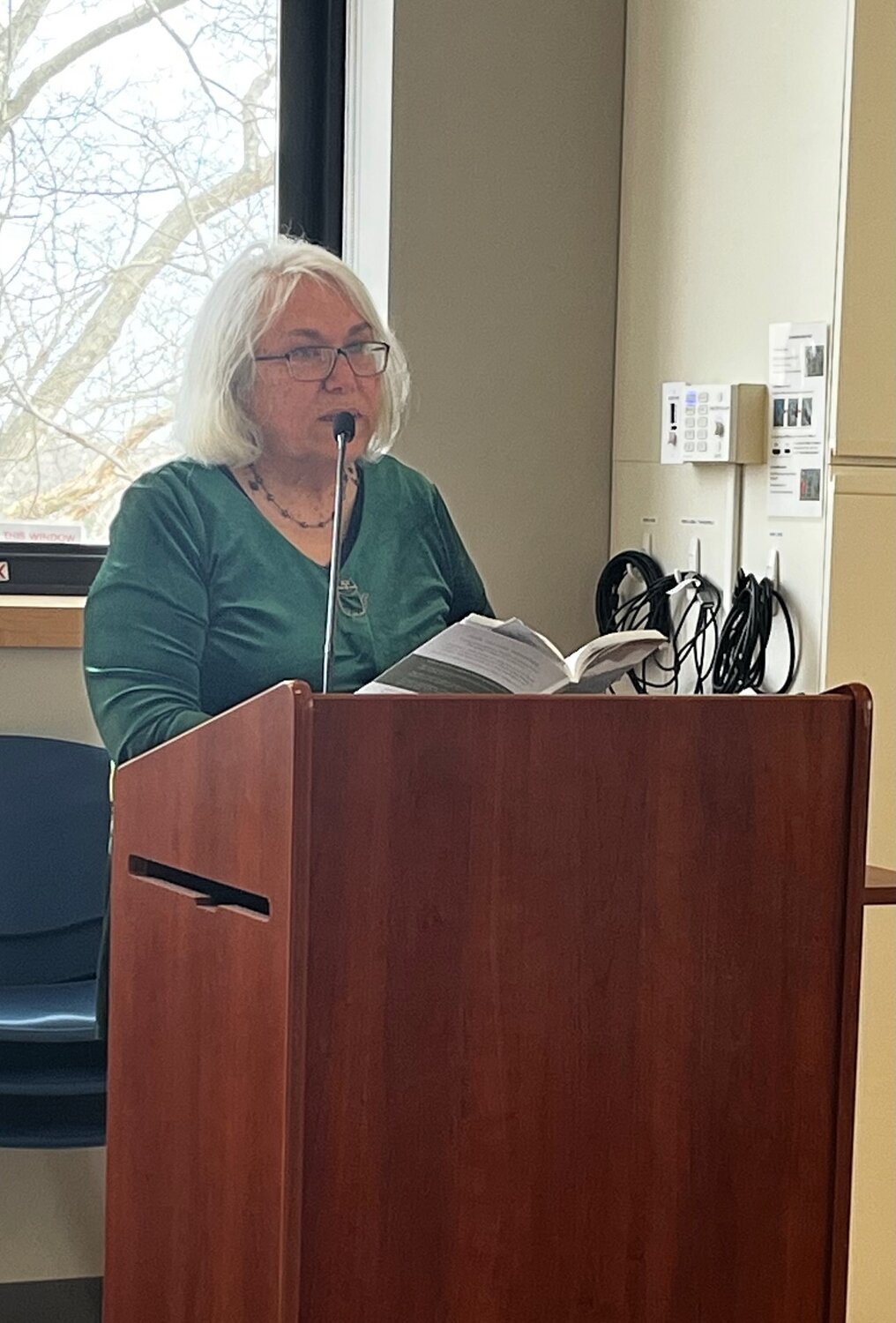

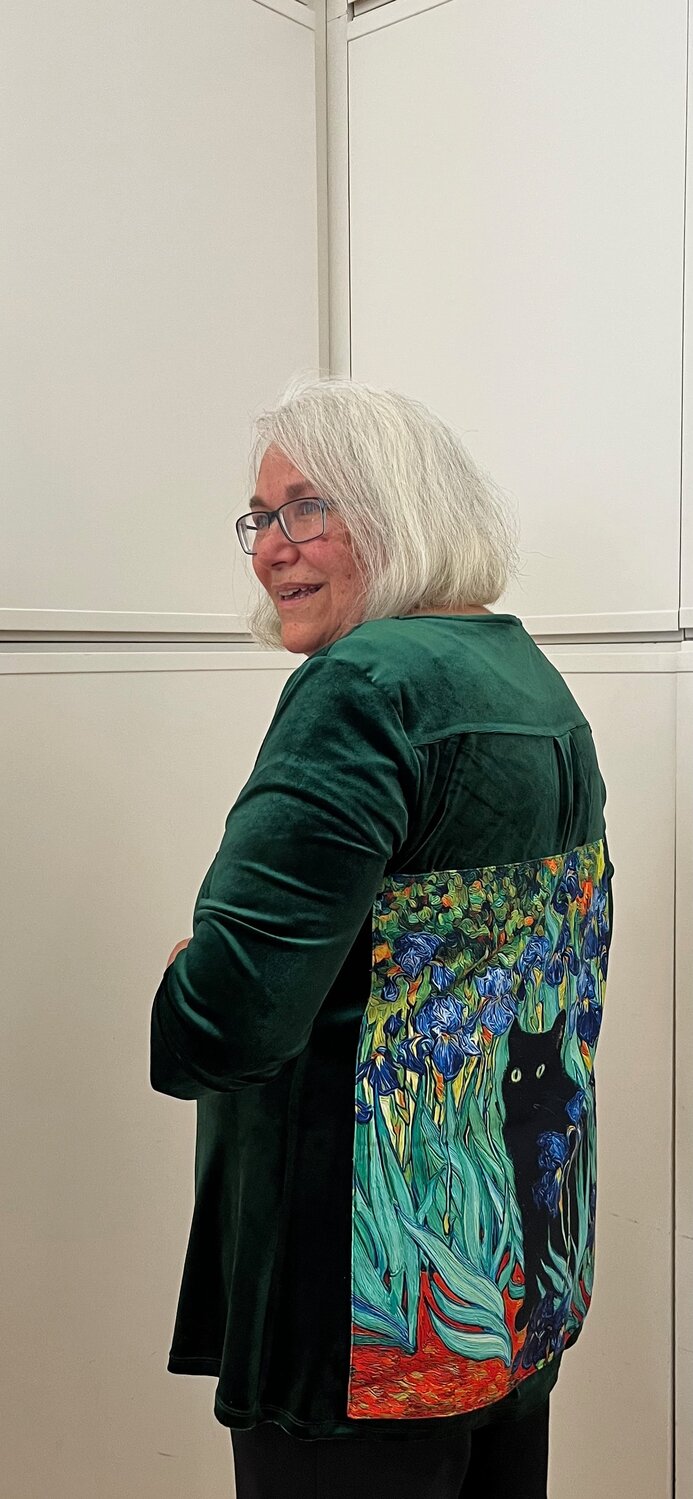


Former Barrington Public Library director Deborah R. Barchi returned to a familiar place Sunday afternoon, this time not as the library’s director but as a published author celebrating the launch of her new book, How to Apologize to a Cat.
Barchi, who served as director of the Barrington Public Library for 18 years, welcomed guests for a reading and discussion about the collection of essays, poems and reflections inspired by her lifelong love of cats.
During her time as director, Barchi oversaw several important projects at the library, including the renovation of the main floor in 2008. Returning to the library for the launch, she praised the continued work of the current staff and the Friends of the Library for supporting the wide range of programs offered to the community.
Now retired, Barchi has turned her attention to writing — a passion she says has grown in recent years. The new book brings together pieces she has written over the past five years, many of which were originally published on the international writing platform Medium.
The result is a collection that blends humor, observation and heartfelt reflection on the unique relationship between cats and their human companions.
“Cat lovers will understand the title immediately,” Barchi told the audience with a smile. “But people who prefer dogs sometimes ask, ‘Why would you apologize to a cat?’ Anyone who has lived with a cat knows exactly why.”
Throughout the afternoon, Barchi read several passages from the book, including essays about cats she has lived with over the years and playful reflections on feline behavior. One reading explored the idea of whether cats dream, imagining the mischievous possibilities of what might fill a sleeping cat’s mind.
While much of the book carries a light, humorous tone, Barchi noted that some of the writing came from more emotional moments as she reflected on the animals that have shared her life.
“Animals have personalities, minds and feelings,” she said, quoting primatologist Jane Goodall. “Anyone who has lived with a cat knows that.”
The book also includes quotations about cats from historical figures and writers spanning centuries, from Renaissance artists to modern thinkers, highlighting humanity’s long fascination with feline companions.
Adding to the personal nature of the project are black-and-white photographs contributed by friends and family members. The cover features a striking portrait of Barchi’s grand kitty named Fred, photographed by her son, James.
How to Apologize to a Cat marks Barchi’s first full-length published book. During the event, she also spoke about the process of self-publishing and the patience required to bring a book to life, encouraging aspiring writers to seek editing support and connect with organizations such as the Association of Rhode Island Authors.
The statewide organization offers support and networking opportunities for writers at all stages of their careers. Through ARIA, members can participate in workshops, connect with other authors, attend conferences and book fairs, and submit work for publication in the group’s annual anthology. Barchi described the organization as a valuable community for writers navigating the often solitary process of publishing.
Self-publishing, she noted, can sometimes feel isolating, making connections with other authors especially important.
“Writers need other writers,” she said, encouraging those interested in publishing to consider joining the organization.
Ultimately, however, Barchi said the book is less about writing and more about the quiet bond people share with animals.
“You don’t really own a cat,” she said. “But you can have the honor and pleasure of living with one — and earning its trust.”


